Rodney Beecher Roberts
Rodney Beecher Roberts
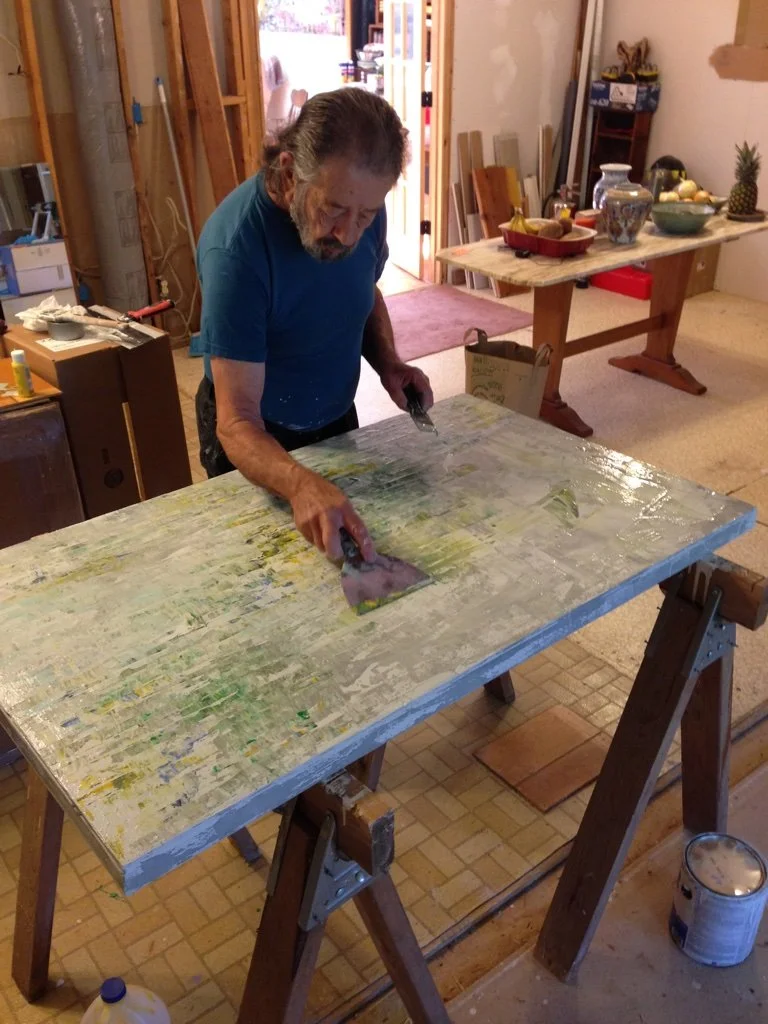
Rodney’s first memory of making art was more of an “incident” in the third grade. He had just finished what he thought was a rather brilliant crayon drawing of a green three-legged horse running through a field of red, purple and orange grass. Smiling, he proudly held it up for the teacher to see. She shook her head and said, “That is NOT how you draw a horse.”
That moment shaped the next six decades of his life as he strove to live on his own terms rather than doing what’s expected by individuals or society.
His first formal study of art began at The Chouinard Art Institute, founded in 1921 in the Westlake district of Los Angeles. He quickly recognised that his art was being “directed” by his teachers in such as way that it was indefinable from that produced by the other students and graduates, at which point he left in search of private tutors.
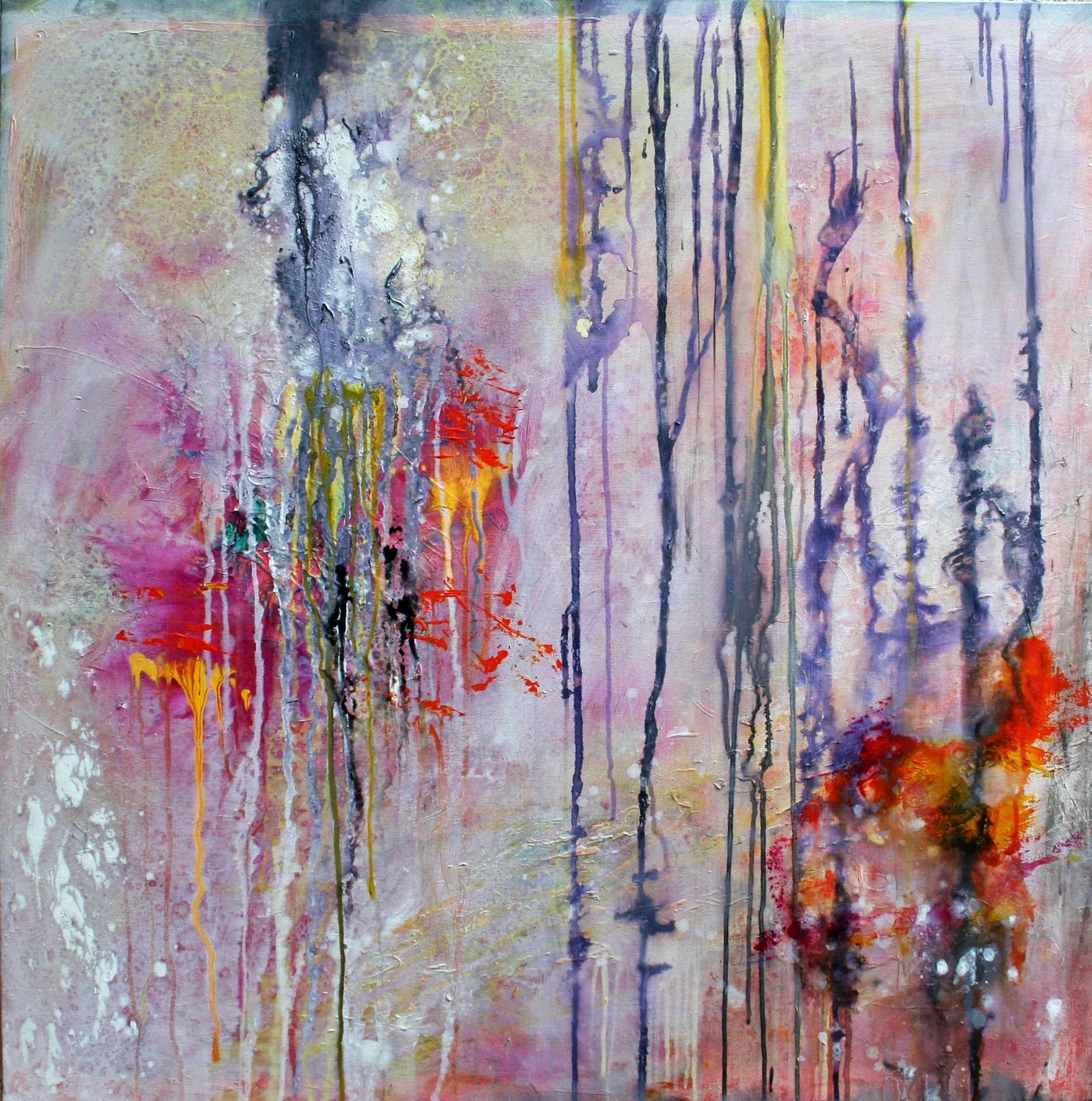
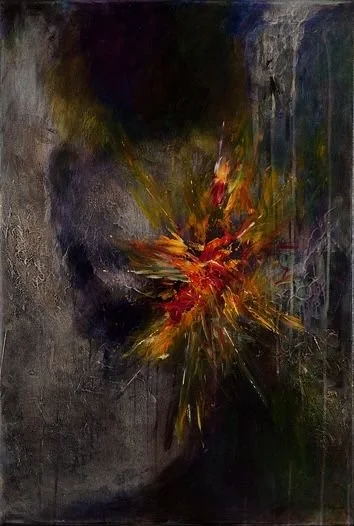
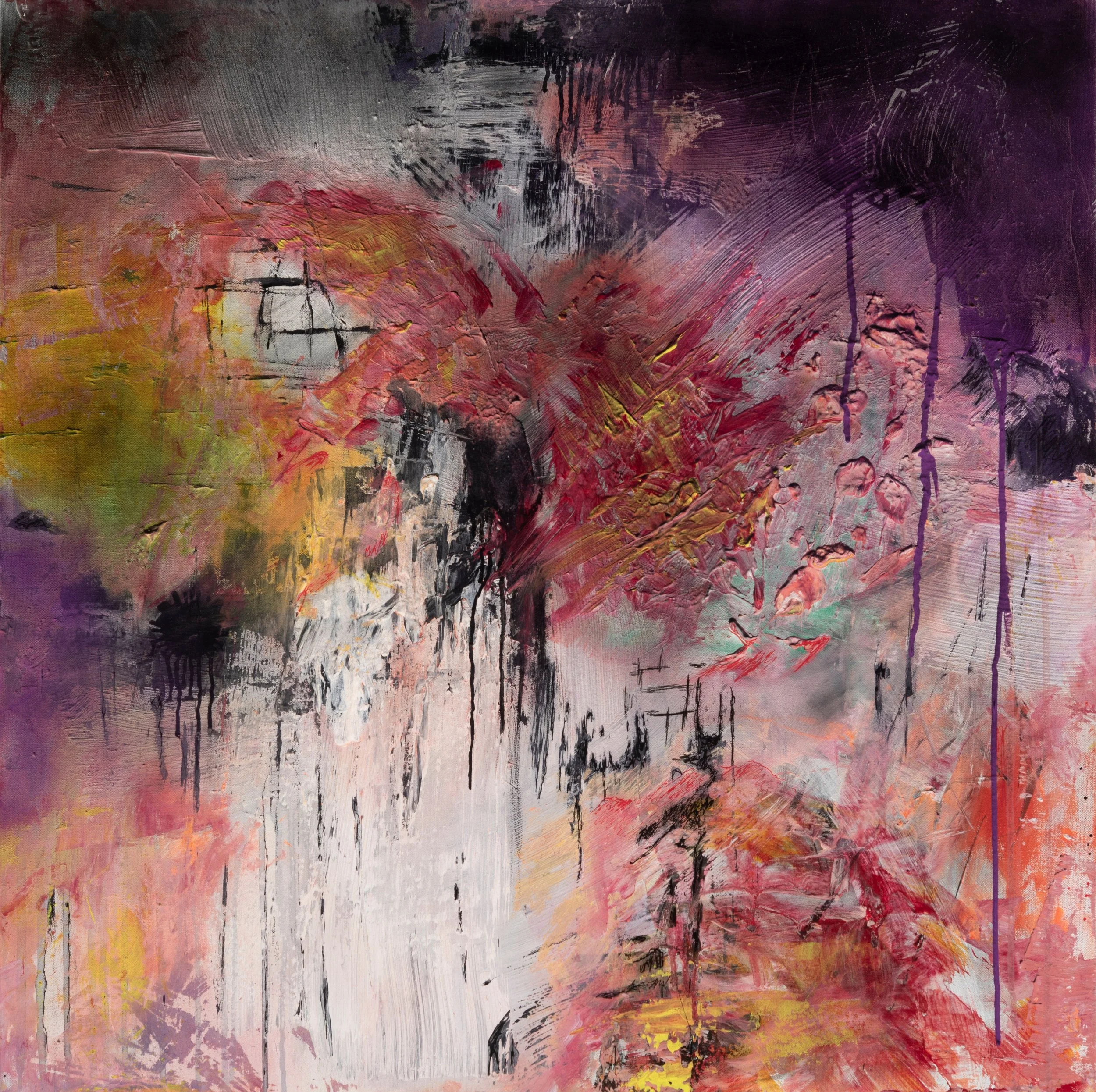
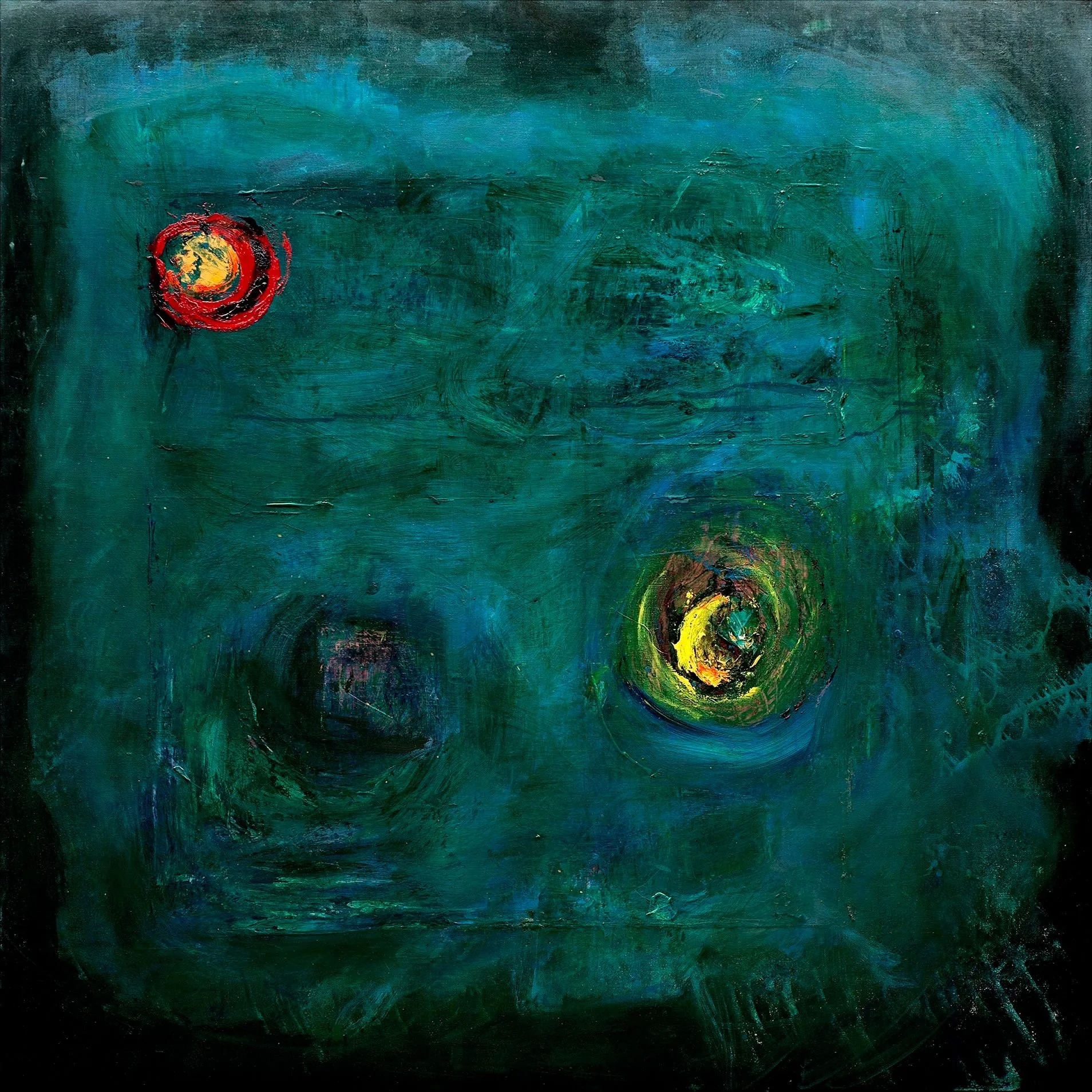
His (often) large, non-figurative works are unbound forms, free from narrative or representation. They do not reference the tangible or the recognisable.They are not of something — they simply are something.
The soft staining, multiple layers of paint and colour, the shifting drips and flows or marks — are intended to create ambiguity, a quiet sense of openness and permeability. These works are an invitation. They ask the viewer to step inside a space that feels both like a beginning and an ending, a place that may echo where we come from, or where we might ultimately return.
“‘What does it mean?’ When it comes to my work, only the observer can know; and then only for an instant. I want the surface to be the beginning of what you look at. What’s important is beneath, behind and under what you can see. The meaning is what you can’t see, the existential melodrama. The important thing isn’t what it means, but what it makes you feel. It should be the same as looking at a sunset or rose garden. Don’t analyse it. Experience, enjoy, and let it be what it will for you for the moment. Tomorrow, it may be something entirely different.”